Harlan waited six hours before changing tactics.
He did not get his meeting.
Federal investigators offered him counsel.
He refused.
They offered to document his archives under seal.
He refused.
He asked for me again.
Ortiz relayed the message.
I refused again.
Rachel did not ask whether I was sure.
That helped.
Then Harlan sent a written statement.
Not to me.
To Rachel.
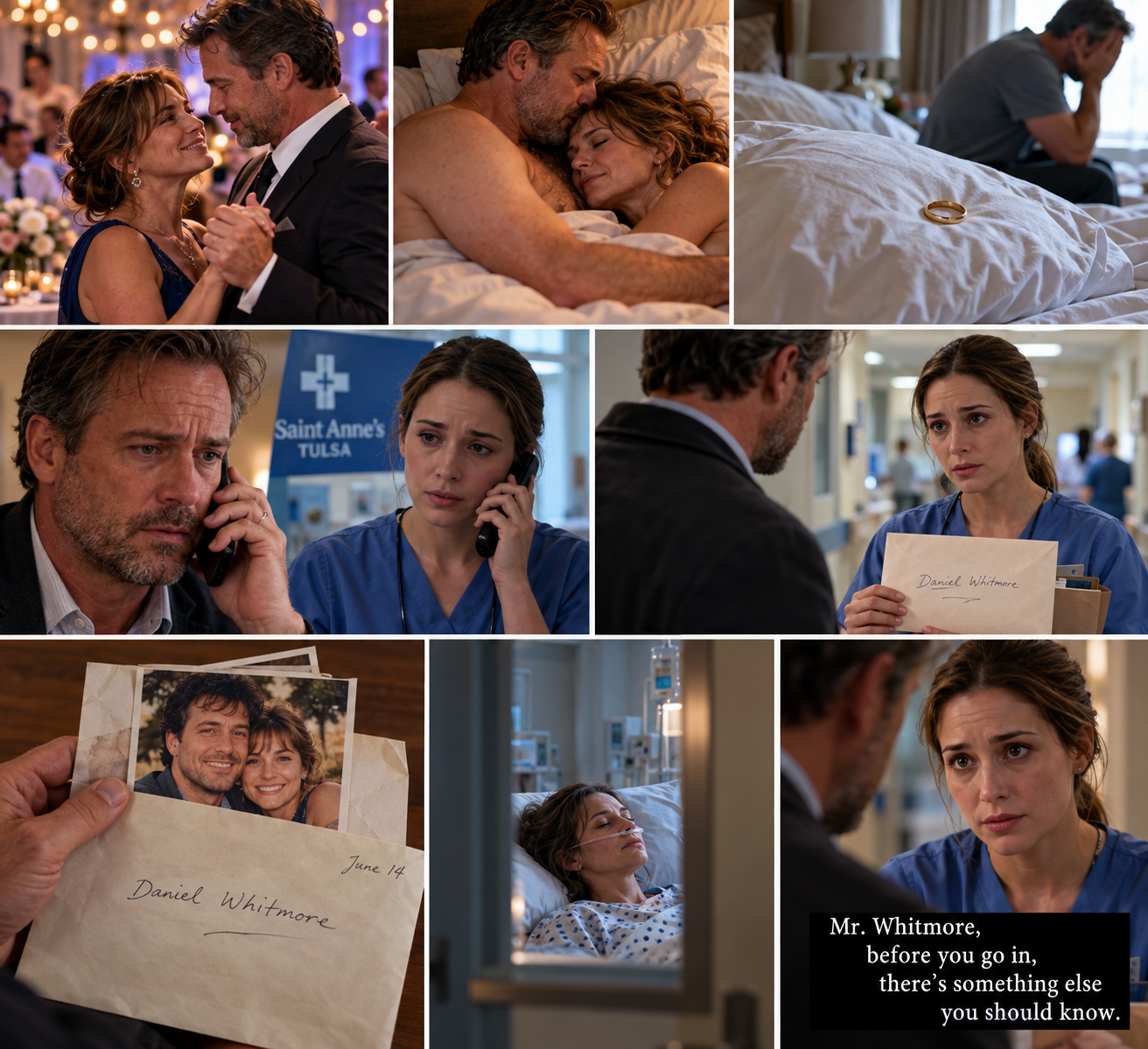
Her name was on the envelope.
She stared at it for a long time.
“Do I have to read it?”
Ortiz answered.
“No.”
“Will investigators?”
“Yes.”
“Can they tell me if it contains anything medically necessary?”
“Yes.”
Rachel nodded.
“Do that.”
The envelope left unopened.
That should have ended it.
It did not.
Two hours later, a federal investigator returned.
“There is one section relevant to Rachel’s medical history.”
Rachel looked tired.
“Read only that.”
The investigator did.
Harlan claimed Rachel’s ovarian cancer had been detected far earlier than she knew.
Grace stiffened.
“How much earlier?”
“Approximately seven years.”
Rachel stared.
“That is impossible.”
The investigator continued.
“Harlan claims early markers appeared before Rachel and Daniel divorced.”
My chest tightened.
Rachel looked at me.
I remembered the timeline.
First surgery four years before the divorce according to Grace’s original information.
But those records had already proven unreliable.
“What does he mean by detected?”
Grace asked.
“Biomarkers.”
“Confirmed malignancy?”
“No.”
“Then wording matters.”
The investigator nodded.
“Harlan says he told Rachel about elevated risk and possible early disease.”
I turned toward her.
Rachel had gone pale.
“Did he?”
She did not answer.
My stomach dropped.
“Rachel.”
Her eyes filled.
“Yes.”
Silence.
Grace looked at her mother.
“When?”
“Before the divorce.”
“How long before?”
“Seven months.”
I stared.
“You knew.”
“Not that I definitely had cancer.”
“But you knew something.”
“Yes.”
“What?”
“A marker.”
“Which?”
“CA-125, among others.”
Grace shook her head.
“That is not diagnostic by itself.”
“I know.”
“Did imaging show anything?”
“A small mass.”
My chest tightened.
“So Harlan told you cancer was possible.”
“Yes.”
“And that was part of why you left.”
Rachel nodded.
I stood.
Not because I wanted to leave.
Because sitting suddenly felt impossible.
“You wrote that letter after diagnosis.”
“The one Grace gave me.”
“Yes.”
“That was later.”
“So before the letter, you had already started planning.”
“Yes.”
My anger arrived slowly.
Not explosive.
Worse.
Tired.
“You had another chance to tell me.”
“Yes.”
“And chose not to.”
“Yes.”
Rachel did not defend herself.
That made it harder to stay angry cleanly.
I walked to the window.
“Why?”
She answered behind me.
“Because Harlan told me the marker was almost certainly inherited.”
I turned.
“What does that change?”
“He told me if I had it, any child I had with you might carry it too.”
We did not know about the twins then.
At least I did not.
Rachel continued.
“He showed me risk projections.”
“Real?”
“Some.”
“Manipulated?”
“Probably.”
Grace whispered, “He used fear of future children.”
“Yes.”
Rachel looked at me.
“I thought staying with you meant eventually making you watch me get sick and possibly passing something terrible to children.”
“You decided alone.”
“Yes.”
“Again.”
“Yes.”
I laughed once.
She flinched.
“I know.”
“No.”
My voice stayed low.
“You know now.”
Rachel stared.
“That is fair.”
The honesty stopped me.
I wanted an argument.
I wanted her to defend herself so I could fight it.
Instead she sat there accepting the consequence of what she had done.
“I am angry,” I said.
“You should be.”
“I loved you.”
“I know.”
“You let me think you stopped.”
“I know.”
“You made me believe our marriage failed because I wasn’t enough.”
Rachel’s face broke.
“I know.”
“That part was cruel.”
“Yes.”
The room went quiet.
Grace and Leah moved toward the door.
I shook my head.
“Stay.”
They stopped.
“This family has done enough private lying.”
Rachel looked at me.
I continued.
“I understand why you were afraid.”
She nodded.
“That does not make what you did okay.”
“I know.”
“I need both truths.”
Her eyes filled.
“So do I.”
I sat again.
Not beside her.
Across from her.
For a while we looked at each other.
Not divorced.
Not reconciled.
Not fixed.
Two people finally allowing damage and love to occupy the same room.
Then Rachel said, “There is something else.”
Leah covered her face.
“Mom.”
Rachel almost smiled.
“I know.”
I looked at her.
“What?”
“When I left you, I did not only think I was protecting you from cancer.”
“What else?”
“Harlan told me Grace was alive.”
Grace went completely still.
“What?”
Rachel looked at her daughter.
“Not by name.”
Grace stared.
“He told you one baby survived.”
“Yes.”
“When?”
“Before I filed for divorce.”
Silence.
I felt something inside me go cold again.
“You knew one of our daughters might be alive.”
“Maybe.”
“And still left.”
“Yes.”
“Why?”
Rachel’s voice broke.
“Because Harlan said if I told you, he would move her.”
“Grace.”
“Yes.”
“Did he show proof?”
“A photograph.”
Grace sat down slowly.
“How old was I?”
“Twenty-two.”
The year before Rachel found her through DNA.
Rachel continued.
“He told me she had a good family.”
Grace’s eyes filled.
“I did.”
“He said if Daniel searched, he would expose the adoption and destroy your parents.”
“My parents?”
“The Bennetts.”
“Yes.”
Grace looked away.
“They were good people.”
“I know.”
“How?”
“I watched from far away once.”
Grace stared.
“You saw me.”
“Yes.”
“When?”
“College graduation.”
Grace stopped breathing for a beat.
“You were there.”
“In the parking lot.”
“Why didn’t you come to me?”
Rachel began crying.
“Because your mother hugged you.”
Grace’s face changed.
“Linda.”
“Yes.”
“She was crying and fixing your hair and telling you something that made you laugh.”
Rachel swallowed.
“And I realized showing up would not only give me a daughter. It might take a mother away from you.”
Grace’s tears came silently.
“You decided for me.”
“Yes.”
“Again.”
“Yes.”
Grace stood.
“God.”
She walked to the door.
Rachel did not stop her.
Grace left.
Leah watched her go.
Then looked at Rachel.
“You went to Grace’s graduation.”
“Yes.”
“Did you ever come see me?”
Rachel closed her eyes.
“No.”
Leah laughed once.
Of all the answers, that one hurt most.
“Why?”
“I did not know where you were.”
“You found Grace.”
“Harlan gave me Grace.”
“Right.”
Leah’s face hardened.
“She was still the easy one.”
Rachel looked devastated.
“That is not what I meant.”
“I know.”
Leah stood.
“Doesn’t matter.”
She left too.
Emily followed after a moment.
I stayed.
Rachel wiped her face.
“I ruined this.”
“No.”
She looked at me.
“I did.”
“You told the truth.”
“Too late.”
“Yes.”
“Same thing.”
“No.”
I leaned forward.
“Late truth still hurts.”
She nodded.
“But it gives people something real to decide with.”
Rachel looked toward the door where her daughters had left.
“What if they decide they hate me?”
“Then that is theirs.”
Her eyes filled.
“That scares me.”
“I know.”
“Would you stay if they do?”
The question hit hard.
Not marriage.
Not romance.
Something more immediate.
Would I stay present if truth cost her everyone else?
“Yes.”
She stared.
“Why?”
“Because I am angry with you.”
She almost laughed through tears.
“That is your reason?”
“Yes.”
“I don’t understand.”
“I am angry because I care what you did.”
She looked down.
“If I didn’t care, I’d leave.”
Silence.
Then she nodded.
“That might be the most romantic terrible thing you’ve ever said.”
“I’m rusty.”
“Clearly.”
We sat together.
Eventually Grace returned.
Eyes red.
She stopped in the doorway.
Rachel looked up.
Grace said, “Linda would not have stopped being my mother.”
Rachel began crying again.
“I know that now.”
“You could have known then if you asked me.”
“Yes.”
Grace entered.
“She died believing my biological mother never wanted me.”
Rachel covered her mouth.
“I’m sorry.”
Grace shook her head.
“Not yet.”
Rachel nodded.
Grace sat.
“I want you to know about her.”
Rachel stared.
“Linda?”
“Yes.”
“Only if you want.”
“I do.”
Grace began telling stories.
Linda burning pancakes every Sunday.
Linda singing badly in the car.
Linda hiding Christmas gifts so well she forgot where she put them.
Rachel listened.
Not competing.
Not claiming.
Just learning the woman who raised her daughter.
Leah returned halfway through.
She leaned against the wall.
Did not join.
Did not leave.
That was enough.
Then Ortiz entered.
Her face ended the fragile calm.
“What?”
“Harlan’s written statement had another section.”
Rachel frowned.
“Medical?”
“No.”
“Then why bring it?”
“Because investigators verified part of it independently.”
My stomach tightened.
“What?”
“Harlan claims he did not tell Rachel about Grace to control Rachel.”
Rachel stared.
“What?”
“He says someone else instructed him to.”
“Who?”
Ortiz looked at me.
“Margaret Whitmore.”
My mother.
Again.
I laughed bitterly.
“Why would my mother want Rachel to know Grace was alive but not me?”
Ortiz handed me a photocopy.
Margaret’s old note.
Authenticated.
The message to Harlan:
Show Rachel the Bennett girl.
Do not tell Daniel.
If Rachel still chooses silence after seeing the child safe, then she will leave him without being forced.
Rachel stared.
“No.”
I read it again.
My mother had tested Rachel.
Not scientifically.
Emotionally.
She wanted to see whether Rachel would protect me by leaving even after learning a daughter lived.
Leah whispered, “That is twisted.”
Yes.
Rachel’s hands shook.
“She manipulated me.”
“Yes.”
I could barely say it.
Rachel looked at me.
“I thought that choice was mine.”
“It was still yours.”
“No.”
“Yes.”
She stared.
“Influenced is not the same as controlled.”
Her breathing slowed.
I continued.
“She created pressure.”
“Yes.”
“She hid truth.”
“Yes.”
“She behaved terribly.”
“Yes.”
“But you still chose.”
Rachel closed her eyes.
That distinction was painful.
Necessary.
Responsibility without pretending manipulation did not exist.
Grace looked at the note.
“Why would Margaret do this?”
Ortiz had another page.
“Because she believed Daniel would never leave Rachel voluntarily.”
I laughed without humor.
“She was right.”
“She thought if Rachel remained, Harlan would continue targeting both of you.”
“So she broke us apart.”
“Yes.”
Leah whispered, “Protection.”
The ugliest word in our family.
Then Ortiz continued.
“There’s more.”
Everyone groaned.
Even Ortiz almost smiled.
“Harlan says Margaret believed distance would end the pairing protocol.”
Michael, entering from the hallway, heard.
“It didn’t.”
“No.”
“Because genetics still existed.”
“Yes.”
Grace stared.
“So all the divorce accomplished was trauma.”
Michael nodded grimly.
“And behavioral separation data.”
The room went silent.
Rachel looked sick.
“Harlan studied our divorce.”
“Yes.”
“He got data from it.”
“Likely.”
She laughed once.
“He always found a way.”
Michael shook his head.
“No.”
Rachel looked at him.
“He did.”
“No.”
Michael’s voice sharpened.
“He found a way to use what happened.”
“That is not the same as causing every part of it.”
Rachel stared.
Michael continued.
“If we let him claim every consequence as his design, we give him more control after the fact than he ever actually had.”
That mattered.
Our divorce.
Our night after Jessica’s wedding.
Grace’s anger.
Leah’s jokes.
Matthew’s hug.
None of those belonged to Harlan simply because he observed them.
Rachel leaned back.
“Thank you.”
Michael nodded.
Then Grace’s phone rang.
She checked the number.
Philadelphia fetal therapy center.
She answered.
Listened.
Her expression changed.
“What?”
Everyone focused.
Grace asked, “How certain?”
Another pause.
“Send everything.”
She hung up.
Rachel gripped my hand.
“What?”
“The sixteen-week risk.”
“Yes?”
“They think they can neutralize the shutdown.”
Silence.
“Safely?”
Grace hesitated.
“Not safely.”
Rachel almost smiled.
“Of course.”
“But with a reasonable chance.”
“How?”
“Atlas therapy data.”
Michael understood.
“They found the modified regulatory pathway.”
“Yes.”
“Treatment?”
“A maternal infusion designed to block the clearance trigger.”
Rachel’s face changed.
“Does Atlas control it?”
“No.”
Grace smiled faintly.
“The doctors reconstructed the approach from seized data and independent published components.”
“No proprietary claim?”
“Not on the treatment plan they’re proposing.”
Rachel exhaled.
For once, law and medicine had moved fast enough.
“What are the risks?”
“Immune reaction. liver injury. possible pregnancy loss. uncertain cancer effect.”
Rachel nodded.
“And doing nothing?”
“High risk of severe inflammatory response between weeks fifteen and seventeen.”
“How high?”
Grace looked at her.
“High enough they recommend treatment.”
Rachel sat quietly.
Then asked, “When?”
“Within ten days.”
There it was.
A real medical decision.
Not Harlan’s false emergency.
Not someone else’s schedule.
Ten days.
Information.
Consultation.
Time.
Rachel looked at me.
“I want to go to Philadelphia.”
“Yes.”
Grace watched.
“For treatment?”
Rachel shook her head.
“For the full consultation.”
Good.
Still choosing step by step.
Then Ortiz’s radio crackled.
She listened.
Her face tightened.
“What?”
“Harlan collapsed.”
Grace stood.
“Medical event?”
“Yes.”
“What kind?”
“Cardiac.”
Michael’s expression changed.
“He’s eighty.”
Ortiz continued listening.
Then lowered the radio.
“They’re transporting him under guard.”
Rachel looked at me.
I felt almost nothing.
That surprised me.
No satisfaction.
No urgency.
No need to see him.
Then Ortiz added, “He asked for Daniel again.”
I looked at Rachel.
She did not speak.
This time she did not even tell me what she wanted.
She had learned too.
I looked at Ortiz.
“No.”
“Harlan may die.”
“I know.”
“He may take information with him.”
“I know.”
“You’re sure?”
“Yes.”
Rachel’s eyes filled.
Not because I refused Harlan.
Because I no longer needed one more secret badly enough to let him control the room.
Then my phone rang.
Unknown number.
I almost laughed.
Ortiz said, “Answer.”
I did.
A woman’s voice.
“You don’t know me.”
My body went still.
“Who is this?”
“My name is Sarah Cole.”
Grace frowned.
Cole.
The doctor from the National Center.
“Related to Adrian Cole?”
“My father.”
“What do you want?”
A pause.
“Harlan Vale is my grandfather.”
The room froze.
Not again.
Sarah continued.
“And before he dies, there’s something you need to know about why he kept asking for you.”
I closed my eyes.
“One more secret.”
“Yes.”
I almost hung up.
Then she said:
“He wasn’t trying to tell you about the experiment.”
I opened my eyes.
“What then?”
“He was trying to tell you where your mother Margaret is.”
Silence.
My mother had been dead eight years.
I stared at Ortiz.
Then at Rachel.
Sarah Cole whispered:
“She’s alive.”
Click here to continue reading: PART 40: Daniel Learned Margaret Had Faked Her Death to Escape Harlan, but Finding Her Meant Confronting the Last Lie She Chose Herself
Three Years After Our Divorce, Rachel Left Her Wedding Ring on My Pillow and Vanished Before I Woke
Part 39 of 43