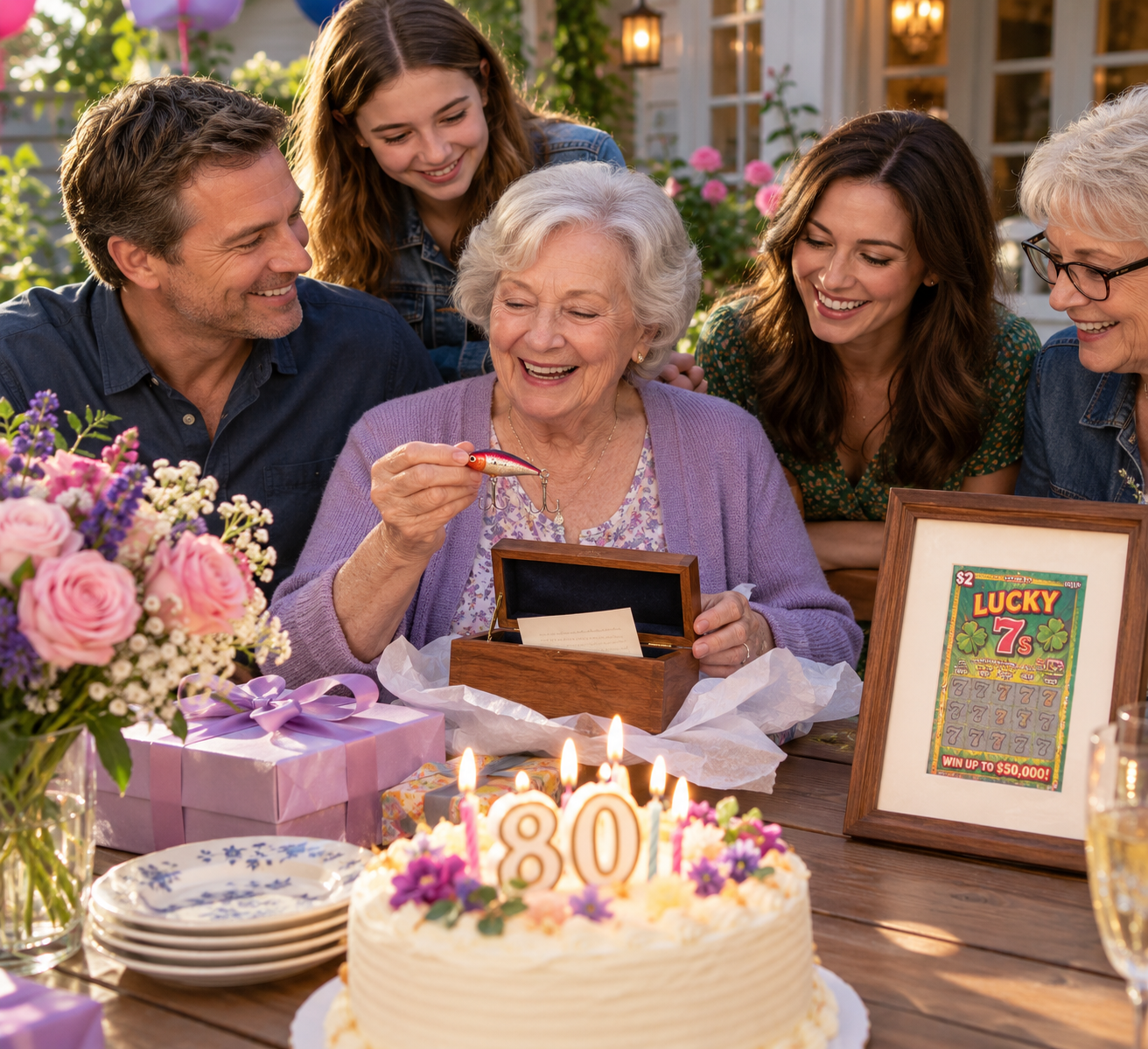
The house changed ownership in March.
Daniel learned about the sale from the property manager, exactly as any tenant would. The buyer was an LLC whose name meant nothing to him: H and D Bait and Tackle.
The initials meant something to me.
Harold and Dolores.
Harold had always wanted to open a bait shop after retirement. He never did. Using the name felt like letting him share one private joke with me.
Daniel spent dinner complaining about the mysterious buyer.
“Probably some investment company,” he said. “They’ll squeeze every dollar out of the place.”
Renata shook her head. “People like that have no conscience.”
I nearly inhaled a pea.
I lowered my napkin until I trusted my face again.
“Is the rent changing?”
“Not yet,” Daniel said.
Renata glanced at me. “Hopefully they don’t count additional occupants.”
Additional occupants.
I took another bite.
My trust collected the rent every month.
Daniel complained when a plumbing repair took three days.
He complained when the property manager requested updated paperwork.
Once he sat across from me and called the new owner greedy.
I passed him the potatoes.
By then, I understood something money had not taught me so much as exposed: people often revealed themselves most clearly when they believed the person listening had no power.
Renata grew increasingly interested in my health.
“Did you forget your pills?”
“No.”
“You asked me that twice yesterday.”
“No, I didn’t.”
She smiled with the patient expression people use on children and the elderly.
“Okay, Dolores.”
That “okay” stayed with me.
A month later she suggested accompanying me to my doctor.
“I can manage.”
“I know. I just think somebody should hear what he says.”
“Why?”
She began wiping an already clean counter.
“No reason.”
I declined.
Then I called the doctor myself and instructed his office not to discuss my medical information with anyone without my written permission.
The receptionist hesitated.
“Even your son?”
“Especially without my permission.”
The sentence felt strange.
Then good.
My lawyer helped me tighten access to every financial account. Mail went elsewhere. Important documents never entered Daniel’s house.
I kept one cheap object.
The birthday card.
Purple balloons.
The empty sleeve where the scratch ticket had been.
I do not know why I saved it.
Perhaps because it reminded me that contempt could occasionally be useful evidence.
In June, I bought another house.
This one was mine in every ordinary sense.
It stood outside Savannah, fifteen minutes from my sister Eileen. The kitchen was butter yellow. Roses grew beside the porch. The bedrooms were modest, the floors old, the neighborhood quiet.
When I first walked through it, I knew.
Not because it was grand.
Because nobody else had selected it for me.
I bought the house in cash through carefully arranged legal channels and told Eileen everything.
She listened without interrupting.
When I finished, she said, “So Renata gave you an eleven-million-dollar lottery ticket as a joke?”
“Yes.”
“And she still thinks you lost?”
“Yes.”
Eileen leaned back.
“I may live to a hundred just to watch this.”
I laughed until my eyes watered.
Then she became serious.
“Dolores, are you sure this is about leaving and not punishing them?”
That question followed me home.
I did not want revenge.
At least I hoped I did not.
I wanted the right to determine what happened to my own life.
But hurt has a way of disguising itself as principle, and I did not trust myself merely because I was angry.
So I waited.
I watched.
And my family kept making the decision easier.
One afternoon Renata asked whether I still needed my sewing machine.
“Yes.”
“You barely use it.”
“I used it Sunday.”
She frowned as though my memory were inconvenient.
“Maybe we should start simplifying.”
“We?”
“For when you eventually move somewhere smaller.”
There it was.
I looked directly at her.
“Have you found somewhere?”
Her hand stopped.
Only for a fraction of a second.
“No.”
I knew she was lying.
“Then there’s nothing to discuss.”
That evening I heard her and Daniel arguing in the garage.
“She can’t stay forever.”
“She’s seventy-three, Renata.”
“Exactly.”
I waited for him to defend me.
Instead he said, “After Christmas.”
My hand tightened around the laundry basket.
Renata lowered her voice.
“The deposit is already paid.”
Daniel answered, “I know.”
I walked back to my room before either of them saw me.
So he knew.
The Sunrise Pines plan was no longer Renata’s project.
My son had agreed.
The next morning, I called the facility.
I used my own name.
The admissions coordinator immediately found a reservation.
My chest tightened.
“Who authorized this?”
There was a pause.
“Your family initiated the application.”
“Did I sign anything?”
“No, ma’am. This is a family reservation pending final intake.”
“What date?”
January first.
“And the deposit?”
“Nonrefundable after December first.”
Of course.
I thanked her and hung up.
Then I sat at the edge of my bed.
Harold’s photograph faced me from the dresser.
For four years I had blamed grief for making me dependent.
Now I saw the other half of it.
People had encouraged the dependence because it made decisions easier to make around me.
I called my lawyer.
“I’m leaving January first.”
“Savannah?”
“Yes.”
“And the rental property?”
I looked toward the wall separating my bedroom from Daniel’s home office.
“Prepare new tenancy terms.”
He was quiet.
“Market rate?”
“Market rate.”
“Anything punitive?”
“No.”
That mattered.
I did not want to manufacture suffering. I wanted the arrangement stripped of family privilege.
“What notice?”
“Ninety days where legally appropriate. Make everything proper.”
“I will.”
I hesitated.
“And make sure my name appears somewhere they cannot misunderstand.”
December arrived.
Renata became almost cheerful.
She bought storage bins.
She asked which clothes I “really wore.”
She measured my dresser without telling me why.
Daniel avoided conversations longer than a few minutes.
Sophie noticed.
My granddaughter was old enough to understand tension but young enough to believe adults would eventually explain it.
“Grandma, are you going somewhere?”
Renata answered before I could.
“Eventually Grandma may move somewhere with people her age.”
Sophie looked at me.
“Do you want to?”
Renata’s smile tightened.
I said, “I want to live somewhere I choose.”
Daniel stared at his plate.
That night, I packed my first suitcase.
Not much.
Documents.
Harold’s photograph.
Clothes.
The purple birthday card.
The rest had already begun traveling to Savannah in carefully timed shipments.
My dresser went while Daniel and Renata were away for a weekend. I told them a furniture restorer had taken it.
That was technically true.
The restorer delivered it to Georgia afterward.
On December thirty-first, Renata placed a Sunrise Pines brochure beside my breakfast plate.
No more pretending.
“We should talk about tomorrow.”
Daniel sat across from me.
He looked exhausted.
I folded my hands.
“Tomorrow?”
Renata pushed the brochure toward me.
“We found somewhere wonderful.”
I opened it as though seeing it for the first time.
“Sunrise Pines.”
“They have activities,” Daniel said quickly. “Meals. Transportation.”
“And a lovely community,” Renata added.
I turned to the circled room.
Budget wing.
“I see.”
Daniel cleared his throat. “Mom, this house is getting difficult financially.”
Interesting.
The house I owned.
Renata continued, “We love you, but we have to be realistic.”
Realistic.
I closed the brochure.
“When am I moving?”
“Tomorrow,” she said.
Not Are you willing?
Not Would you like to see it?
Tomorrow.
I looked at Daniel.
He whispered, “The deposit becomes complicated if we delay.”
There it was.
Money.
Not my preference.
Not my dignity.
A deposit.
I nodded.
“All right.”
Both of them visibly relaxed.
Renata reached across and touched my hand.
“You’ll see. This is best.”
I smiled.
“I think tomorrow will be very educational.”
She misunderstood.
“Exactly.”
That night I slept beautifully.
At eight the next morning, my suitcase waited beside my chair.
A taxi was scheduled for nine.
And on the kitchen counter lay an envelope from their landlord.
Daniel came downstairs first.
He picked it up.
Then Renata entered.
I poured myself one last cup of their coffee.
My son opened the envelope.
He read the first page.
Then he read it again.
His face drained of color.
Renata frowned.
“What?”
Daniel did not answer.
He looked at me.
For the first time in ten months, my son was looking at his mother as though he had finally realized she might know something he did not.
I took a sip.
“How interesting,” I said. “You found my letter.”
Click here to continue reading: PART 3: The Morning They Expected to Remove Me From Their House, My Son Read the Landlord Notice and Found My Name at the Bottom
My Daughter-in-Law Called Me a Household Expense, but the Two-Dollar Birthday Joke in My Hand Was About to Change Everything
Part 2 of 35