The question came from Sophie on a Sunday afternoon.
She and Maya were visiting, and Maya had gone with Eileen to pick up dessert because apparently four adults required professional assistance to acquire one pie.
Sophie sat across from me on the porch.
She had a notebook in her lap.
That should have warned me.
“What are you doing?”
“Nothing.”
“You brought a notebook.”
“I always carry one.”
“No, you carry your phone.”
She sighed.
“Fine.”
“What?”
“I want to ask you something.”
“That sounds dangerous.”
“It isn’t.”
I waited.
She clicked her pen.
“What do you want people to remember about all this?”
I stared at her.
“All what?”
She gave me the look young people reserve for older relatives who deliberately make simple questions difficult.
“Grandpa. Dad. Mom. The lottery. The fraud. Everything.”
“Why?”
“I’m writing something.”
“For work?”
“No.”
“School?”
“I graduated.”
“I remember. I screamed.”
She smiled.
“For me.”
That answer changed my posture.
“What kind of something?”
“I don’t know yet.”
“A book?”
“Maybe never.”
“Then why write it?”
“Because everybody else already has.”
She meant the articles.
The documentaries I refused.
The podcasts.
The online versions in which I became a helpless grandmother, a secret mastermind, a lottery genius, or an avenging millionaire depending on what produced the better headline.
“People are going to tell it anyway,” Sophie said. “I want one version that belongs to us.”
I looked toward the roses.
“Us?”
“You don’t have to answer.”
That helped.
People who wanted control usually made refusal expensive.
Sophie had learned better.
“What do you want to know?”
She glanced at the notebook.
“When did you first realize your life had changed?”
“The ticket.”
“That’s what everyone says.”
“No.”
I surprised myself.
She looked up.
“When, then?”
I thought about it.
Not the scratched numbers.
Not the lawyer confirming eleven million dollars.
Not buying the rental house.
Not discovering Sunrise Pines.
Not the blue box.
Not Harold’s recording.
Then I knew.
“The morning I called the lottery lawyer without telling Daniel.”
Sophie frowned.
“That early?”
“Yes.”
“Why?”
“Because I had a secret that belonged to me, and for once I did not immediately ask somebody else what I should do.”
She wrote.
I watched the pen move.
“I had spent years asking your grandfather things because we were partners. After he died, I started asking Daniel because I was frightened.”
“Dad liked being asked.”
“Yes.”
“So did Grandpa?”
“Sometimes.”
“Did you?”
“That’s the important part.”
She waited.
“Sometimes I wanted help. Sometimes I asked because I had forgotten I could decide without permission.”
Sophie wrote again.
“That is what changed first.”
“Not the money?”
“The money made the decision safer.”
“How?”
“If I made a bad choice, I had resources.”
“That sounds like money changed it.”
“It changed the consequences of choice. Not the existence of choice.”
She looked at me.
“That sounds like something you’ve rehearsed.”
“No. It sounds like something I paid eleven million dollars to learn.”
She laughed.
“Technically you kept most of it.”
“Taxes disagree.”
We talked for almost an hour.
Sophie asked what I remembered about her grandfather before everything.
I told her about Harold singing incorrectly on purpose because he enjoyed irritating me.
About the summer he tried to repair our washing machine and flooded half the laundry room.
About his habit of buying one expensive fishing lure every spring and insisting it was an investment.
About the night Daniel was born, when Harold looked at our screaming red-faced baby and whispered, “We have made a serious administrative error.”
Sophie laughed so hard she dropped the pen.
“Dad has never told me that.”
“He probably doesn’t know.”
“Why not?”
“He was busy screaming.”
She wrote it down.
Then she asked about Renata.
That was harder.
“What was Mom like when Dad first brought her home?”
“Funny.”
Sophie looked surprised.
“She was.”
“Mom?”
“Yes.”
“She made your father laugh.”
“Dad still says that.”
“She made me laugh too.”
“What happened?”
I considered the temptation to turn a complicated person into a lesson.
“I don’t know.”
“Really?”
“People don’t usually become one thing in one afternoon.”
“Was she always greedy?”
“Probably sometimes.”
“So are most people.”
“Exactly.”
“Did you like her?”
“Yes.”
“When did you stop?”
“That assumes I stopped all at once.”
Sophie’s expression changed.
“You still like parts of her?”
“I remember parts I liked.”
“That isn’t the same.”
“No.”
She wrote more slowly.
Then:
“Do you forgive her?”
“No.”
The answer came easily.
Sophie stopped writing.
“Never?”
“I didn’t say that.”
“Then maybe?”
“I don’t organize my life around whether I will.”
She considered that.
“Mom says forgiveness is part of her program.”
“Good for her.”
“That sounded sarcastic.”
“It was a little.”
Sophie smiled.
“I hope she becomes someone who does not need forgiveness to keep changing.”
Sophie stopped smiling.
“That’s good.”
“Don’t write it like a quote.”
“Too late.”
“Sophie.”
She laughed.
Maya and Eileen returned carrying two pies instead of one.
“Why two?” I asked.
Eileen held up a chocolate pie.
“Choice.”
I could not argue with that.
After dinner, Sophie forgot the notebook on my table.
I noticed before she left.
For one reckless second, I wanted to open it.
My story.
My granddaughter’s interpretation.
What had she written?
Then I carried it to the driveway.
“You forgot this.”
Her face changed.
“Oh.”
“I did not read it.”
“I know.”
“How?”
“You would have told me if you did.”
That trust felt better than curiosity would have.
A week later, Daniel came for dinner.
I told him Sophie was writing.
He groaned.
“Great.”
“You’re worried?”
“Of course.”
“Why?”
“Because I look terrible.”
“You did terrible things.”
“Thank you, Mother.”
“You asked.”
“I did not.”
He smiled.
Then grew serious.
“Do you think she should write it?”
“She should write anything she wants.”
“Publish?”
“That is different.”
“Would you let her?”
“She does not require my permission.”
Daniel sighed.
“You know what I mean.”
“I do.”
“Would you be comfortable?”
“Probably not.”
“Me either.”
“That does not settle it.”
He nodded.
We were both learning the difference between having feelings about another person’s choice and having authority over it.
“I’d ask her to protect victims who never wanted publicity,” Daniel said.
“That is reasonable.”
“And maybe not use every detail about Dad.”
“Also reasonable.”
“But I can’t tell her not to write about me.”
“No.”
He looked toward the mantel.
“I used to think being her father meant I had that right.”
“Most parents do.”
“Did you?”
“Certainly.”
“Grandpa?”
“Absolutely.”
We smiled.
Progress did not require pretending we came from enlightened people.
It required noticing what needed changing.
Sophie eventually let me read twenty pages.
Not the whole thing.
Her choice.
The first sentence irritated me.
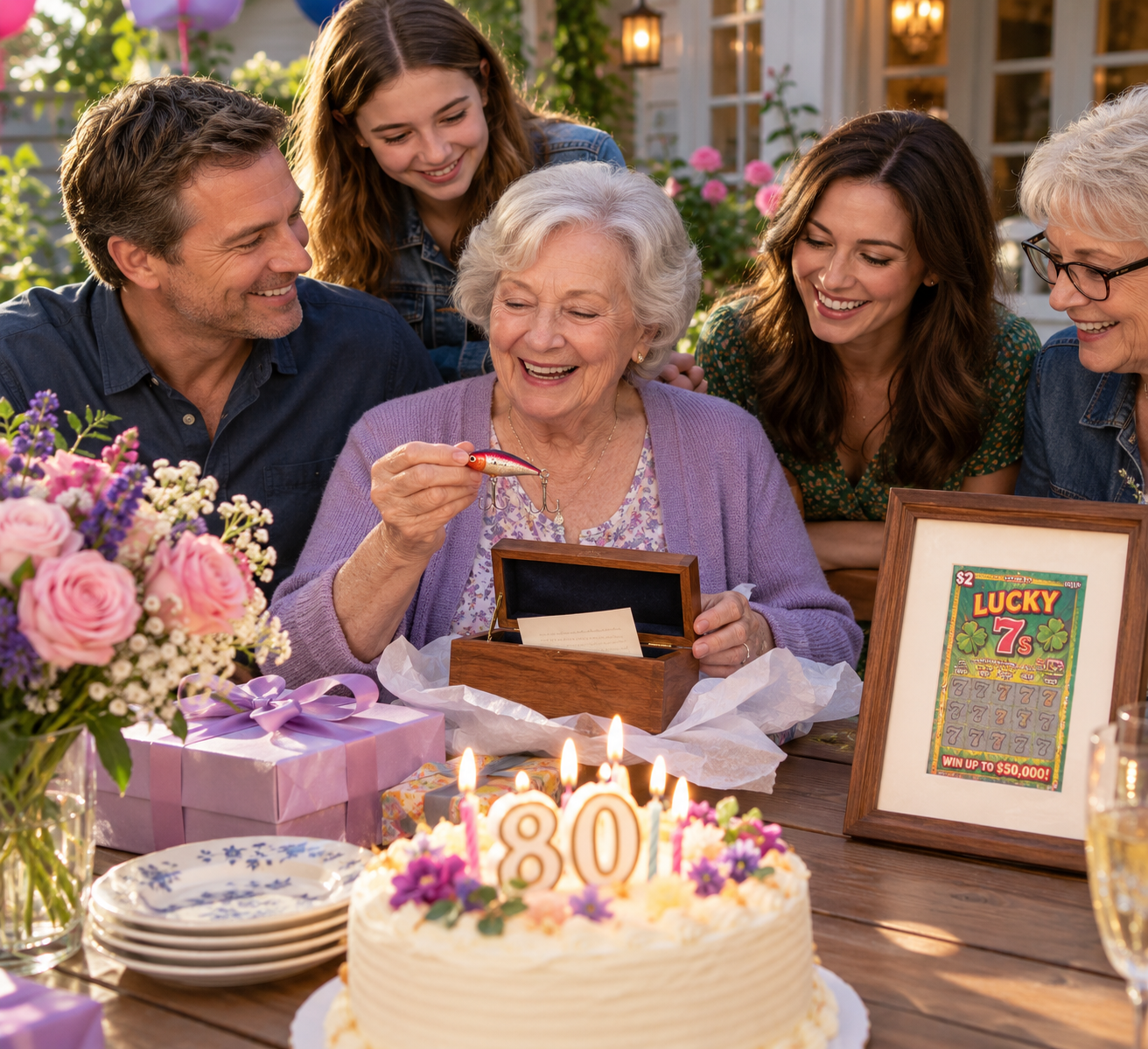
My grandmother became famous because someone gave her a terrible birthday present.
“Famous?”
“You were.”
“Briefly.”
“Still counts.”
“And ‘terrible birthday present’?”
“Accurate.”
I continued.
The pages were not about eleven million dollars.
Not really.
They were about signatures.
Doors.
Keys.
Phone calls.
People speaking around older adults instead of to them.
About how Daniel’s love became control when fear entered it.
How Renata’s resentment became justification.
How Harold’s protection became secrecy.
How my own guilt became a way of pulling Daniel toward me.
Nobody escaped.
Including Sophie.
She wrote about hiding the microSD because she liked having something adults did not control.
About how frightened that made her afterward.
About enjoying, for one brief moment, being important to the mystery.
I looked up.
“You included yourself.”
“I was there.”
“You were a child.”
“Eleven isn’t a baby.”
“No.”
“I knew Grandpa told me not to give Caleb the book.”
“Yes.”
“I liked knowing something.”
“That is not a crime.”
“I know.”
She tapped the page.
“That’s the point.”
No heroes.
No monsters.
Choices.
Patterns.
Consequences.
I handed the pages back.
“It’s good.”
“You hate the first sentence.”
“Yes.”
“I’m keeping it.”
“I assumed.”
She grinned.
“Would you ever let me publish?”
“Ask me when it is finished.”
“Fair.”
“Stop saying fair. Your father does that.”
She laughed.
That winter, the Open Door Fund helped block an emergency guardianship petition involving a woman named Lorraine Price.
Her son claimed she was confused because she planned to sell a valuable property and move overseas.
An independent evaluation found no impairment.
Lorraine simply wanted to live in Portugal.
At eighty-two.
Her son considered it reckless.
She considered it Tuesday.
The petition failed.
Lorraine sent the fund a postcard months later.
Ocean.
Blue sky.
One sentence:
Tell everyone I remain irresponsibly alive.
Rebecca sent me a photograph of the card.
I laughed for ten minutes.
Then I printed it and put it near my desk.
Not every story needed tragedy to prove autonomy mattered.
Somebody should be allowed to make a foolish choice too.
That was the part people missed.
Respecting choice only when you agreed with the choice was another form of control.
I learned that personally when Eileen announced she planned to visit Frank.
I nearly dropped my tea.
“In prison?”
“Yes.”
“Why?”
“I want to.”
That answer irritated me precisely because it was sufficient.
“Do you expect something?”
“No.”
“Forgiveness?”
“No.”
“Reconciliation?”
“No.”
“Then why?”
She looked at me.
“Because thirty-seven years of my life are sitting in that prison too.”
I stopped.
Not Frank.
Her years.
She wanted to look at the person who carried them with her.
“I don’t like it,” I said.
“I know.”
“I think he may manipulate you.”
“I know.”
“I think you could leave worse.”
“I know.”
“You’re still going.”
“Yes.”
I sighed.
“Want me to drive?”
Eileen smiled.
“No.”
Good.
She went alone.
Returned alone.
Came to my house afterward.
“How was it?”
“Sad.”
“Did he apologize?”
“Yes.”
“Did you believe him?”
“Some.”
Apparently our family had developed a standard measurement.
“Do you want to go again?”
“I don’t know.”
“Okay.”
That was all.
No intervention.
No argument.
Eileen sat beside me.
“You wanted to tell me not to go.”
“Desperately.”
“Why didn’t you?”
“Growth.”
She laughed.
Then cried.
I held her.
By spring, Daniel had been out long enough that the novelty of freedom disappeared.
That was when the harder work began.
He was tired of therapy.
Tired of restitution.
Tired of explaining his record.
One Sunday, he arrived angry.
Not at me.
At everything.
“I did my time.”
“Yes.”
“Then why does it still follow me?”
“Because time served is a legal measurement.”
He stared.
“What does that mean?”
“It does not erase history.”
“So this is forever?”
“Some of it.”
He paced the porch.
“That’s easy for you to say.”
“Yes.”
He stopped.
The sentence hung there.
Old Daniel might have apologized immediately.
Old me might have punished him with silence.
Instead I asked, “What part is easy for me?”
“You got money.”
True.
“You got sympathy.”
Also true.
“You got to be the person everyone believed.”
Eventually true.
“And I’m the son who let his father die.”
His voice broke.
I let the words sit.
Then:
“That is unfair.”
He looked at me.
“Which part?”
“Your description.”
He waited.
“You did not simply let your father die. You tried once to call. Caleb stopped you. Then you made a terrible choice and delayed trying again.”
Daniel’s eyes filled.
“That sounds like an excuse.”
“No. It is accuracy.”
He sat down.
“Sometimes I think it would be easier if I were completely bad.”
“I know.”
“Then I wouldn’t have to figure out what parts of me are worth keeping.”
There it was.
Harold’s message.
Do not let Daniel inherit my fear.
I sat beside him.
“You are not required to divide yourself into parts worth keeping and parts worth throwing away.”
“What do I do?”
“Keep choosing.”
“That again.”
“Yes.”
He laughed bitterly.
“No finish line?”
“Death.”
“Comforting.”
“I try.”
He stayed for dinner.
His anger passed without anyone pretending it had been wrong to feel.
That was progress too.
Later that year, I turned seventy-eight.
Sophie gave me no ticket.
Daniel gave me gardening gloves.
Eileen gave me another kettle because apparently she had developed a theme.
Maya gave me a ceramic fish.
I stared at it.
She looked terrified for half a second.
Then I laughed.
“Excellent.”
It joined Harold’s trout.
Two ugly fish.
A collection had begun against my will.
After everyone left, Sophie stayed behind.
She had her notebook.
“Finished?”
“First draft.”
“How long?”
“Too long.”
“Runs in the family.”
She handed me the final page.
Only the final page.
I read.
She had written:
The winning ticket was never the point. It was simply the first thing my grandmother held that everyone around her did not know how to control.
I looked at Sophie.
“That is almost right.”
“Almost?”
“The ticket was not the first.”
“What was?”
I thought of Harold.
Daniel.
My life before both.
My own hands.
“Myself.”
Sophie smiled.
Then crossed out one sentence.
She rewrote it.
I did not ask what she changed.
Some endings belonged to the person writing them.
Click here to continue reading: PART 34: On the Anniversary of Harold’s Death, Daniel Returned the Last Money He Could Never Truly Repay and Asked Me to Stop Keeping One Promise
My Daughter-in-Law Called Me a Household Expense, but the Two-Dollar Birthday Joke in My Hand Was About to Change Everything
Part 33 of 35