The word that frightened me most was not the word my family had used about my mental state.
It was liar.
I imagined someone looking at me and deciding that I had invented the entire experience.
I imagined my mother telling people that I was making accusations because I was angry.
I imagined my sister describing the night in a way that made my distress seem unreasonable.
I imagined being asked why I had waited to speak, why I couldn't remember every detail, and why my family had gone to the police first.
I didn't have answers to every possible question.
That was what made the thought so frightening.
I wanted to be prepared for everything.
I wanted to know what I would say if someone challenged a particular memory.
I wanted to be able to explain why I had hidden the evidence.
I wanted to be able to prove that my fear made sense.
But I was beginning to see that I could spend the rest of my life preparing for questions that might never be asked.
I couldn't let that stop me from seeking help.
I had to accept that telling the truth sometimes meant admitting what I did not know.
I couldn't remember every moment before losing consciousness.
I couldn't say exactly what my family had discussed after leaving me outside.
I couldn't know what my sister had done with her phone.
I couldn't tell anyone what my mother had been thinking.
Those were limits I had to respect.
But there were things I did remember.
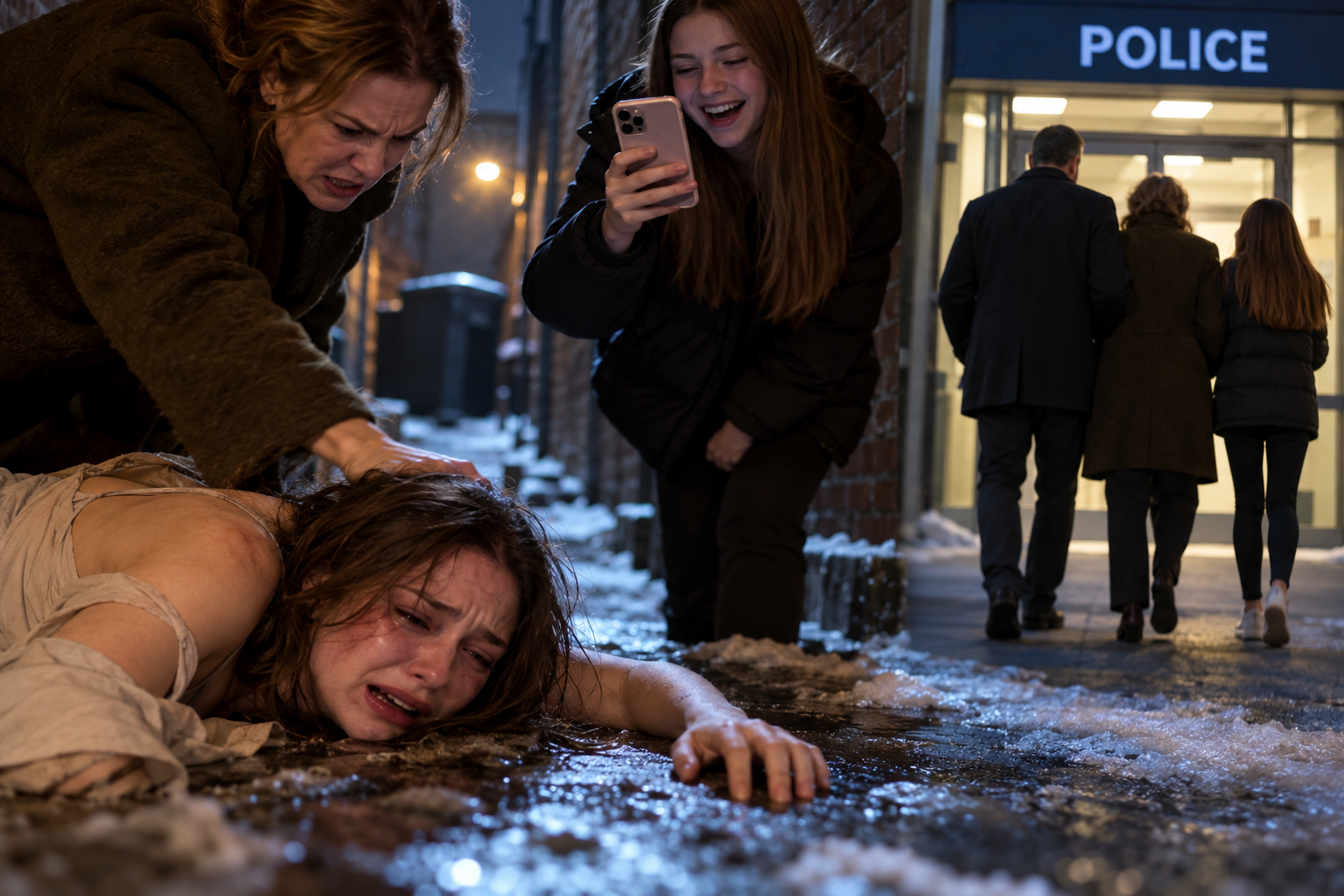
I remembered being hurt.
I remembered asking for help.
I remembered my sister laughing while holding her phone.
I remembered waking outside without shoes or proper clothing.
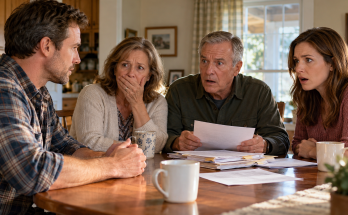
And I remembered that my family had gone to the police together and claimed I was mentally unstable.
I didn't need to pretend those memories were perfect to take them seriously.
I also didn't need to turn my family's actions into a theory about everything they had ever done.
I could focus on the night itself.
That was where the truth began.
I thought about the evidence I had hidden.
I had kept it away from my family because I knew I might need it.
I had not known when.
I had not known how.
I had simply understood that something important should not remain within their reach.
Now I had to be careful not to let the fear of being called a liar make me careless with it.
I couldn't reveal its location just to prove that I had nothing to hide.
I couldn't give it to someone without considering whether it would remain safe.
And I couldn't use it as a substitute for explaining what I remembered.
It had to be handled carefully.
I wanted the evidence to help establish the truth, not become another reason for people to argue about my intentions.
I knew my family might say I had kept it because I wanted to hurt them.
They might describe my decision as betrayal.
They might insist that I should have trusted them.
But I had to remember what had happened when I trusted them to help me.
My mother had hurt me.
My sister had watched.
And I had been left outside.
Trust could not require me to ignore those facts.
I was also learning that I didn't have to defend every decision I had made before that night.
I had spent years thinking that if I could explain my past behavior well enough, my family might stop blaming me.
I had tried to make my choices understandable to them.
I had tried to anticipate their criticism.
I had tried to become the kind of person they would find difficult to accuse.
None of those efforts had protected me from what happened.
Now I needed to stop treating their judgment as the final authority.
I could acknowledge mistakes I had actually made without accepting blame for things I had not done.
I could be honest about my emotions without agreeing that my feelings made me unreliable.
And I could explain why I had hidden the evidence without apologizing for protecting it.
Those distinctions were important.
I didn't want my anger to turn every conversation into a battle.
I didn't want to make claims I couldn't support.
I wanted to be able to speak plainly and let the facts remain the facts.
That meant accepting that some people might still doubt me.
I could not prevent every misunderstanding.
I could not force someone to listen carefully.
I could not make my family stop repeating their version of events.
But I could refuse to let the possibility of disbelief keep me silent.
I had already seen what silence had done.
It had left me alone with my memories.
It had made me afraid to ask for help.
And it had allowed my family to present their account before I had a chance to explain mine.
I couldn't undo that.
I could make a different choice now.
I would speak to someone outside the family.
I would explain what I remembered.
I would be honest about the gaps.
And I would protect the evidence until I had a safe way to present it.
I didn't know whether that would be enough to change how people viewed me.
But I knew it was better than giving up before I tried.
There was another thing I had to accept.
My family might never agree with my account.
I had spent years believing that if I explained something clearly enough, the people involved would eventually reach the same understanding.
That was not always how things worked.
Two people could hear the same words and describe them differently.
Someone could refuse to acknowledge a fact because acknowledging it would mean accepting responsibility.
Someone could prefer a story that made them look innocent.
I couldn't control any of that.
I could only control whether I continued telling the truth.
That was a smaller responsibility than trying to change my family.
It was also a responsibility I could actually carry.
I still wanted my mother to understand the harm she had caused.
I still wanted my sister to recognize that laughing while I asked for help was not a small thing.
But I could no longer make those wishes the center of my life.
I had to give myself the same concern I had spent years giving them.
I had to consider what I needed.
I had to protect what I had.
And I had to stop treating my own safety as something I could negotiate away to keep the peace.
For the first time, I began to believe that speaking up was not the same as creating the problem.
The problem had already happened.
Speaking up was my attempt to address it.
That difference mattered.
Click here to continue reading: PART 15: I Wanted My Mother to Explain Herself, but I Was Beginning to Understand That Her Answer Could Never Be More Important Than My Safety
I Woke Up Freezing in an Alley, With No Shoes and No Memory of How My Own Family Had Left Me There
Part 14 of 20