Nobody answered.
Not Aunt Linda.
Not Uncle Robert.
Not Ethan.
And certainly not Mom.
I looked from one face to another and felt a strange calm settle over me. Until that moment, I had been carrying the uncomfortable sense that perhaps I had reacted too strongly, that maybe I should have explained myself more gently.
Then I realized something.
They hadn't heard the story.
They had heard Mom's version.
That I had suddenly canceled her grocery money.
That I had become unreasonable.
That I was punishing an elderly woman because of one insensitive comment.
They hadn't heard about Sophie.
They hadn't seen her standing at the kitchen counter, eating cold pasta with both hands trembling from hunger.
Mom folded her arms.
“This is exactly what I mean,” she said. “She turns everything into a crisis.”
I looked at her.
“You told them I canceled your groceries.”
“Yes.”
“Did you tell them why?”
She hesitated.
“It wasn't relevant.”
Aunt Linda frowned.
“Margaret, what happened?”
Mom looked annoyed.
“Claire is exaggerating.”
“No,” I said. “I'm not.”
I reached into my purse.
“I called Mom because Sophie went without lunch for five school days.”
Aunt Linda's expression changed.
“What?”
“My daughter is eleven. Her cafeteria account had a payment problem. She was too embarrassed to tell anyone, so she sat there every day while the other kids ate.”
Uncle Robert slowly put down his fork.
“That poor child.”
Mom interrupted.
“She could have eaten at home.”
“She needed lunch at school.”
“She survived.”
The words hung in the room.
Aunt Linda stared at her sister.
“You actually said that?”
Mom looked toward me.
“I said there were alternatives.”
“Crackers,” I replied.
Her jaw tightened.
“I didn't mean—”
“You did.”
I took out my phone.
Mom's eyes followed it.
“Claire.”
I pressed play.
Her own voice filled the dining room.
The recording was short.
Clear.
There was no shouting.
No manipulation.
Just Mom's voice saying that Sophie could eat crackers, that children survived, and that I was making the situation dramatic.
When I stopped the recording, nobody spoke.
Aunt Linda looked horrified.
Ethan stared at the table.
Uncle Robert rubbed his thumb along the edge of his napkin.
Mom whispered, “You recorded me?”
“I keep records of important conversations.”
“That is an invasion of privacy.”
“No,” I said. “It's documentation.”
She stood so quickly her chair scraped against the floor.
“Get out of my house.”
I looked around the dining room.
The paintings.
The chandelier.
The old cabinet Dad had restored himself.
The house I had refinanced six years earlier because Mom couldn't keep up with the mortgage.
Then I looked back at her.
“I think you mean my house.”
Her face changed.
It happened in less than a second.
Anger gave way to something else.
Fear.
She remembered.
I had never used the ownership against her.
Not once.
Until now.
I didn't say anything else.
I left.
The next morning, my attorney called.
His name was David, and he had handled the property refinance years earlier.
“I reviewed the documents,” he said.
“And?”
“You are the sole owner.”
“I know.”
“I want to ask you something before we proceed.”
“Okay.”
“Do you intend to keep supporting your mother?”
I looked out my office window toward downtown Columbus.
People moved along the sidewalks carrying coffee cups, backpacks, briefcases.
Nobody knew what had happened in my family.
Nobody needed to.
“I don't know,” I said.
David paused.
“Then don't make the decision based on guilt.”
I sat down.
“What would you recommend?”
“A formal occupancy agreement.”
I listened.
“Ninety days?”
“That would give her time to decide whether she can contribute financially or make another arrangement.”
I looked at the paperwork on my desk.
“And if she refuses?”
“You have options.”
The sentence was simple.
But it felt enormous.
For six years, I had behaved as though there were no options.
Only obligation.
That afternoon, I drove to Sophie's school.
I wasn't there because anything had gone wrong.
I had simply brought her a brownie.
When she saw me through the cafeteria window, her face lit up.
“Mom!”
She ran toward me.
I handed her the paper bag.
“Dessert.”
Her friends gathered around.
One of them said, “Your mom always brings good stuff.”
Sophie laughed.
I watched her bite into the brownie.
Chocolate smudged the corner of her mouth.
For the first time in days, I felt something other than anger.
I felt relief.
The grocery card had been canceled.
But the real change was larger.
I had finally stopped confusing love with endless rescue.
The next morning, the certified envelope arrived at Mom's house.
It contained the formal occupancy agreement.
Ninety days.
Contribute to the household expenses or choose another place to live.
I didn't call her afterward.
I didn't need to.
The document said everything I had been unable to say for years.
At 9:12 that morning, my phone displayed the delivery notification.
SIGNED BY: MARGARET BENNETT.
Twenty-three minutes later, my phone began ringing.
Twelve missed calls.
Eight messages.
Then Ethan.
“Please tell me you're sitting down.”
“I'm at work.”
“She thinks you're putting her on the street.”
“I gave her ninety days.”
“I know.”
He paused.
“She isn't hearing that part.”
I closed my eyes.
“I'll come after work.”
“No,” he said.
His voice had changed.
“Come now.”
I grabbed my keys.
When I arrived at Mom's house, three cars were already in the driveway.
Aunt Linda.
Uncle Robert.
Ethan.
I knew immediately what Mom had done.
She had called an audience.
The front door opened before I reached it.
“There she is,” Mom announced.
“The landlord.”
I walked inside.
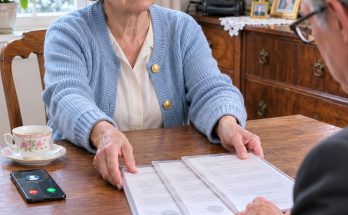
The certified envelope was torn open on the dining table.
Mom stood beside it in a cream sweater and pearls.
“You're evicting your own mother.”
“I gave you ninety days.”
“You're taking my home.”
“No. I'm asking you to contribute to the home I've been paying for.”
Aunt Linda looked uncomfortable.
“Margaret, is Claire really paying everything?”
Mom answered before I could.
“She offered.”
I nodded.
“I did.”
“And gifts don't come with conditions,” Mom said.
“You're right.”
Her expression softened, almost triumphant.
Then I added, “But gifts aren't permanent contracts.”
The room went silent.
I reached into my bag and placed a folder on the table.
Six years of records.
Mortgage payments.
Taxes.
Insurance.
Utilities.
Repairs.
Groceries.
Housekeeping.
Every figure highlighted.
Uncle Robert opened the folder.
He turned one page.
Then another.
His eyebrows climbed higher.
“My God.”
Aunt Linda looked over his shoulder.
“You paid for the roof?”
“Yes.”
“The furnace?”
“Yes.”
“The kitchen renovation?”
“Yes.”
Mom folded her arms.
“She wanted me to have nice things.”
I looked at her.
“I wanted you to feel safe.”
That difference mattered.
Mom had heard generosity.
I had meant love.
The room was quiet again.
Then Ethan spoke.
“There’s something else everyone needs to know.”
Mom turned sharply toward him.
“Ethan.”
He didn't stop.
“When Dad was dying, he left Mom $180,000 in life insurance.”
I stared at him.
“What?”
Mom's face went pale.
Ethan continued.
“She told us the money disappeared because of medical bills.”
I looked at Mom.
“That's what you told me.”
She looked away.
Uncle Robert spoke carefully.
“Margaret?”
She swallowed.
“There wasn't much left.”
“How much?”
She said nothing.
Ethan answered.
“She invested it with Greg.”
The name brought back an old memory.
Greg.
Mom's former boyfriend.
The charming financial adviser who had convinced her that speculative real estate was the answer to everything.
He eventually disappeared to Arizona after several investments collapsed.
I had warned her.
She hadn't listened.
“You lost Dad's insurance,” I said.
Mom's head snapped up.
“I was trying to make it grow.”
“You used his money?”
“I wanted security.”
“You already had security.”
Her eyes filled.
“No, Claire.”
Her voice broke.
“I had you.”
Nobody spoke.
That was the first time Mom had ever said it plainly.
She hadn't rebuilt her finances because she had never truly believed she needed to.
She had me.
And as long as I kept paying, she could keep pretending the foundation beneath her life was solid.
That evening, Sophie sat beside me on the couch while an old baking competition played on television.
After several minutes, she muted it.
“Can I ask something?”
“Always.”
“Are you mad at Grandma forever?”
I looked at her.
Children ask questions adults spend years avoiding.
“No.”
“But she was mean.”
“She was.”
“So why aren't you mad forever?”
I tucked her hair behind her ear.
“Because forgiving somebody doesn't mean trusting them the same way.”
She thought about that.
“So you can forgive somebody without pretending they didn't hurt you?”
“Yes.”
She leaned against me.
“I like that.”
I kissed the top of her head.
So did I.
But forgiveness wasn't the next decision.
The next decision was what I would do when Mom realized the grocery card had never been the real beginning.
Click here to continue reading: PART 4: The Papers My Mother Called Cruel Forced the Family to Confront What Six Years of Quiet Financial Rescue Had Actually Cost Me
By Friday Afternoon, I Finally Discovered Why My Quiet Daughter Had Been Eating Cold Pasta Like She Hadn’t Seen Food in Days
Part 3 of 20