I drove to Mom's house before sunrise.
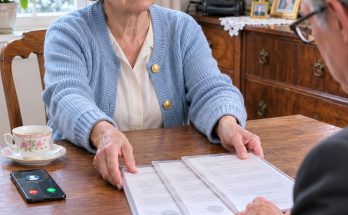
She was waiting in the kitchen.
The curtains were still closed.
A single lamp illuminated the table.
She looked as though she had aged overnight.
“Tell me everything.”
Mom wrapped both hands around a mug.
“I don't know everything.”
“Then tell me what you know.”
She nodded.
“When your father died, I thought it was natural.”
“So did I.”
“He'd been sick.”
“Yes.”
“He was exhausted.”
“Yes.”
She stared into her coffee.
“But the night before he died, he argued with Greg.”
I sat down.
“You never told me that.”
“I was afraid.”
“Afraid of what?”
“That you'd blame yourself.”
“For what?”
“Because you were supposed to meet your father that evening.”
I froze.
“What?”
Mom nodded.
“You don't remember?”
I did.
Suddenly, I remembered.
I had planned to visit Dad.
Work ran late.
I canceled.
The next morning, he was gone.
For twenty years, I had carried that tiny piece of guilt.
Mom had always told me there was nothing I could have done.
Now she was telling me there had been something else happening that night.
“Why didn't you tell me?”
“Because your father asked me not to.”
“Why?”
“He said he didn't want you involved.”
I stood.
“Mom, what happened?”
She looked toward the study.
“Greg came to the house.”
“When?”
“About eight.”
“And?”
“They argued.”
“What did they argue about?”
“The house.”
“Again?”
“And the insurance.”
I felt sick.
“Dad's insurance?”
“Yes.”
“Greg wanted access to it?”
“I think so.”
“Did Dad give it to him?”
“No.”
Mom shook her head.
“Your father told him he would expose everything.”
“Everything?”
“That's the word he used.”
I sat again.
“What happened after Greg left?”
“Your father locked the safe.”
The same safe we had opened.
“Then he called someone.”
“Who?”
“Mr. Wallace.”
Dad's attorney.
“What did they discuss?”
“I don't know.”
“Mom.”
“I was upstairs.”
“Did you hear anything?”
She hesitated.
“Your father said one thing.”
“What?”
“He said, ‘If they come after Claire, I want her protected.’”
My chest tightened.
“He knew.”
“Yes.”
“Then what happened?”
“He went to bed.”
“And the next morning?”
“He didn't wake up.”
I stared at her.
“Did the doctors say why?”
“They said his heart.”
“Was there an autopsy?”
“No.”
“Why not?”
“Because he had a documented heart condition.”
That was true.
Dad had been ill for months.
But suddenly, every detail felt different.
Not because I knew he had been murdered.
I didn't.
Because I realized how much of that night had never been examined.
David arrived an hour later.
I told him everything.
He listened carefully.
Then he said something I didn't expect.
“We need the original medical records.”
“Why?”
“To understand what was documented.”
Mom looked frightened.
“Do you think Greg killed him?”
“No.”
David's answer was immediate.
“I think we need facts before we make accusations.”
That was exactly what I needed to hear.
The records were difficult to obtain.
Twenty years had passed.
Hospitals had changed systems.
Doctors had retired.
Some files had been archived.
But David found a route through the county records.
We waited.
Three days later, the records arrived.
I opened them at David's office.
Dad's condition was clearly documented.
Heart disease.
High blood pressure.
Medication.
Previous episodes of chest pain.
Nothing immediately suspicious.
Then I saw the final page.
A notation from the emergency physician.
Patient reported acute anxiety and chest discomfort approximately two hours before collapse.
I looked at David.
“That's the night.”
“Yes.”
There was more.
A handwritten note from the attending doctor.
Family reports significant argument earlier in evening.
I felt cold.
“Could that have caused it?”
“Stress can worsen cardiac conditions,” David said.
“But we can't say Greg caused his death.”
“No.”
I nodded.
That distinction mattered.
We weren't going to turn suspicion into fact.
But the record confirmed something else.
Dad's final evening had not been peaceful.
And Greg had been there.
The next document was an insurance form.
Dad had changed the beneficiary shortly before his death.
The original beneficiary was Mom.
The new beneficiary was Mom and the children.
I stared at it.
“What does this mean?”
“It means your father changed his estate planning.”
“Why?”
David pointed to the date.
Three days before his death.
I felt my pulse in my throat.
Three days.
After the argument with Greg.
Dad had changed the insurance arrangements.
And the new structure made it harder for anyone to control Mom's money.
Then we found the final piece.
A note from Mr. Wallace.
I met with Daniel Bennett today. He is concerned about Margaret's exposure to Greg's business interests. He intends to protect the property and insurance proceeds for the family.
There was no mystery about Dad's intention.
He had been protecting us.
Not from his illness.
From the consequences of what Greg had been doing.
But there was still one unanswered question.
Why had Mom received no warning?
David explained that Dad may have believed the legal protections were already enough.
He may have thought the matter would be settled after the documents were filed.
He may simply have run out of time.
We would never know.
That uncertainty hurt.
But it was different from the fear I'd carried for years.
Dad hadn't died because I failed to visit him.
He had died after a lifetime of heart problems, during a stressful period involving someone who had apparently been exploiting his family.
I couldn't rewrite the night.
But I could stop blaming myself for not being there.
Mom apologized.
“I should have told you.”
“Yes.”
“I thought I was protecting you.”
“I know.”
“I wasn't.”
“No.”
She nodded.
“I know that now.”
We sat together in the office.
For once, there was no financial question between us.
No grocery card.
No house payment.
No budget.
Just two people trying to understand something that had happened long ago.
That evening, Sophie asked why I looked tired.
“Lots of paperwork.”
“About Grandma?”
“Yes.”
“Is it bad?”
“It's complicated.”
She considered that.
“Complicated doesn't always mean bad.”
I smiled.
“That's true.”
She looked at my wrist.
“You're still wearing Grandpa's watch.”
“Yes.”
“Why?”
“Because he gave it to me.”
She smiled.
Then she asked, “Do you miss him?”
“All the time.”
“Me too.”
She had never met him.
But she had learned him through stories.
That was enough.
The following week, Greg's attorney requested a meeting.
David advised against meeting alone.
We agreed to a formal conference.
Greg appeared by video.
He looked older.
Gray hair.
Thin face.
But I recognized him.
The man who had once sat at our dinner table.
The man Mom had trusted.
The man Dad had confronted.
He looked at me.
“You've become very difficult.”
I stared back.
“You've become very persistent.”
He smiled.
“I never wanted any trouble.”
“You filed a claim against my house.”
“A legitimate claim.”
“It was based on a forged signature.”
His smile disappeared.
“You can't prove I forged it.”
“No,” David said.
“But the handwriting expert can prove it isn't my mother's.”
Greg leaned back.
“I didn't prepare that document.”
“Then who did?”
He said nothing.
Mom was sitting beside me.
Her hands were trembling.
I reached for them.
Greg looked at her.
“You should have stayed out of this.”
Mom's voice was quiet.
“No.”
He stared.
She continued.
“I stayed quiet for twenty years.”
Her eyes hardened.
“I'm not doing it anymore.”
Greg looked toward the camera.
“This isn't over.”
David replied calmly.
“Perhaps not.”
The meeting ended.
I looked at Mom.
She was shaking.
But she hadn't backed down.
That mattered.
Two weeks later, the company withdrew its claim.
The old security agreement was formally challenged and its validity collapsed under examination.
Greg denied wrongdoing.
The investigation continued.
We never received a dramatic confession.
No courtroom speech.
No perfect answer to every question.
Some truths remained uncertain.
But the important ones were no longer.
Dad had tried to protect his family.
Greg had manipulated Mom's trust.
The house was legally ours.
The insurance money had been wrongfully diverted through an investment scheme.
And Mom's dependence on me had grown partly from the financial wreckage she had spent years hiding.
The grocery card hadn't caused any of it.
It had simply forced us to stop looking away.
Months later, Mom and I sat together at the kitchen table.
She opened her budget.
“I can live on this.”
“I know.”
“I don't need the $2,800.”
“I know.”
“I actually feel better without it.”
I smiled.
She laughed.
“Never thought I'd say that.”
“Neither did I.”
She closed the folder.
“Your father would be proud.”
I looked at his photograph on the wall.
“I hope so.”
Mom reached across the table.
“I am proud of you.”
I looked at her.
“Why?”
“Because you stopped rescuing me without stopping loving me.”
I squeezed her hand.
“And you stopped making me prove I loved you.”
She nodded.
Outside, Sophie was laughing in the backyard.
Ethan was helping her build a crooked wooden planter.
Mom smiled toward the window.
“Should we help them?”
I stood.
“Yes.”
She followed.
And as we stepped outside, I realized that the story we had spent years telling ourselves had changed.
It wasn't a story about a daughter who stopped paying her mother's grocery bill.
It was about a family that finally uncovered the cost of silence.
And for the first time, the truth didn't feel like something that could destroy us.
It felt like something that might finally set us free.
Click here to continue reading: PART 13: Just When Our Family Thought the Old Financial Scandal Was Behind Us, One Unexpected Letter Revealed a Final Piece Dad Had Never Told Us
By Friday Afternoon, I Finally Discovered Why My Quiet Daughter Had Been Eating Cold Pasta Like She Hadn’t Seen Food in Days
Part 12 of 20